
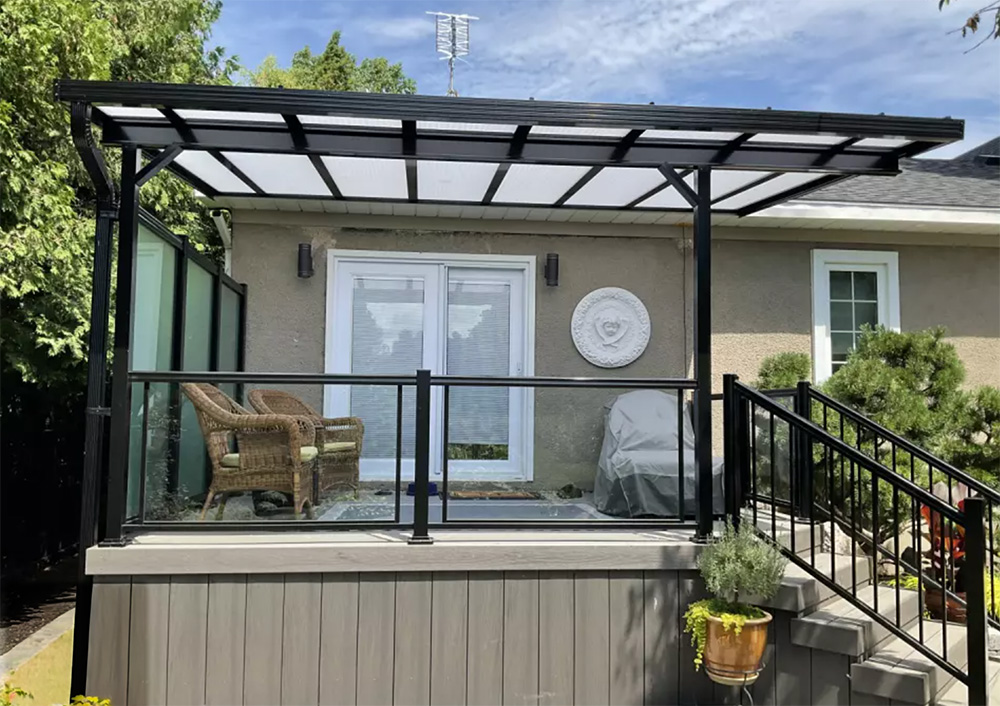
Choosing the Best Deck Materials for Niagara’s Humid Climate
Nestled between Lake Ontario and the famous Niagara vineyards, the Niagara region is known for its beautiful landscapes and vibrant outdoor lifestyle. But warm summers, frequent rain, and high humidity can be tough on traditional decks. In this climate, choosing decking materials that resist moisture, mold, and temperature changes is essential for long-term durability. When comparing deck materials for Niagara homes, composite and PVC decking often outperform traditional wood thanks to their superior moisture resistance and lower maintenance requirements.
The Challenge of Niagara’s Humidity
Niagara’s proximity to Lake Ontario and the Niagara River contributes to higher humidity levels throughout the warmer months. Moisture exposure can lead to several common decking problems including:
- Mold and mildew growth
- Wood rot and decay
- Warping and cracking
- Increased maintenance needs
Deck materials that absorb water are more vulnerable to these issues. That’s why more homeowners are moving away from traditional wood decking and toward engineered materials designed for wet climates.
Traditional Wood Decking: Classic Look, Higher Maintenance
Wood has long been the traditional choice for decks because of its natural appearance and relatively low upfront cost. However, wood decking has significant drawbacks in humid environments like Niagara.
Wood absorbs moisture from rain, humidity, and snow. Over time, this can cause boards to swell, warp, or rot if they’re not regularly sealed and maintained. Wood decks require frequent upkeep—including staining, sealing, and occasional repairs—to prevent deterioration. Moisture exposure also increases the risk of mold and mildew, especially in shaded or damp areas.
Composite Decking: Durable and Moisture-Resistant
Composite decking is made from a blend of organic fibers and plastic polymers, creating a material designed to resist many of the problems associated with traditional wood.
One of the biggest advantages of composite decking in humid climates is its improved resistance to moisture, rot, and mildew compared to natural wood. The plastic components help prevent water penetration, while protective caps on many boards shield the material from weather exposure.
Key benefits of composite decking include:
- Greater resistance to rot and decay
- Reduced risk of mold
- No need for staining or sealing
- Consistent colour and appearance over time
Composite decks typically last 25+ years with proper care, making them a durable choice for many Niagara homeowners.
PVC Decking: Maximum Protection Against Moisture
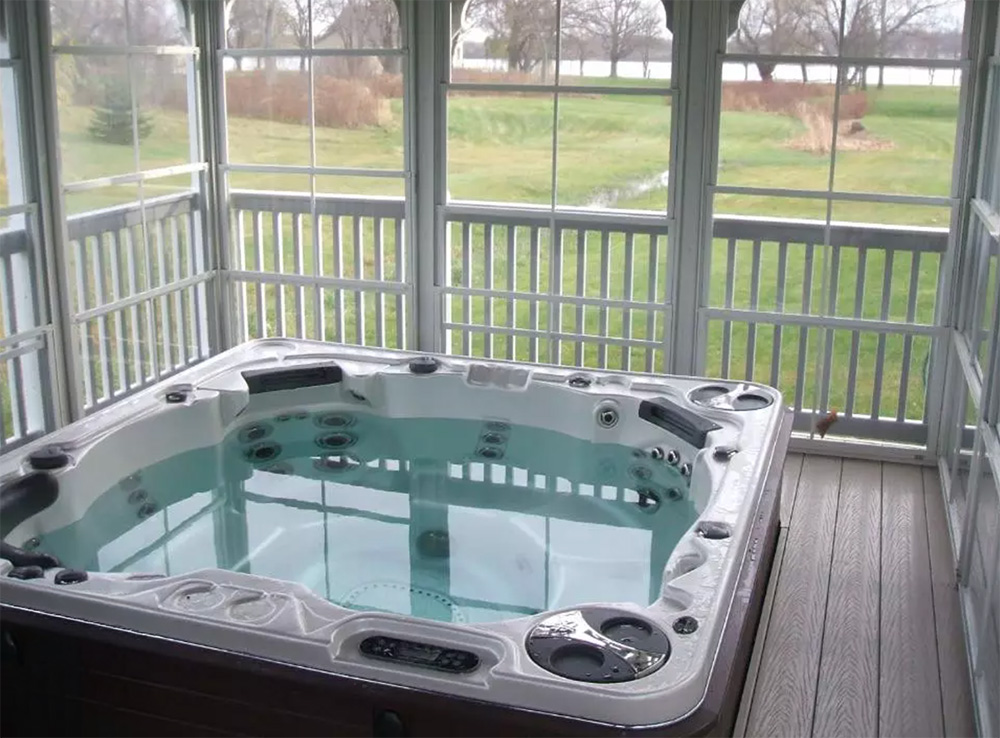
For homeowners dealing with persistent humidity or heavy moisture exposure, PVC decking is often considered the most moisture-resistant option available.
PVC decking is made entirely from synthetic plastic materials, meaning it contains no organic fibers that can absorb water.
PVC offers several advantages in wet climates:
- Completely waterproof material
- Excellent resistance to mold and mildew
- No risk of rot or insect damage
- Minimal maintenance requirements
PVC decking can also last 30–50 years or more, thanks to its durability and resistance to environmental damage. For properties near water, shaded yards, or areas with frequent rain, PVC often provides the longest-lasting and lowest-maintenance decking solution.
Composite vs. PVC: A Smarter Investment for Outdoor Living in Niagara
Your deck should be a place to relax—not a project that requires constant maintenance. In Niagara’s moisture-heavy climate, choosing materials designed to resist moisture absorption can make a huge difference in how your deck performs over time.
Modern composite and PVC decking offer homeowners the best combination of durability, low maintenance, and long-term value—making them ideal choices for outdoor living spaces across the Niagara region.
Contact your local Niagara Hickory Dickory Decks expert today for a personalized, on-site estimate tailored to your home and lifestyle.