
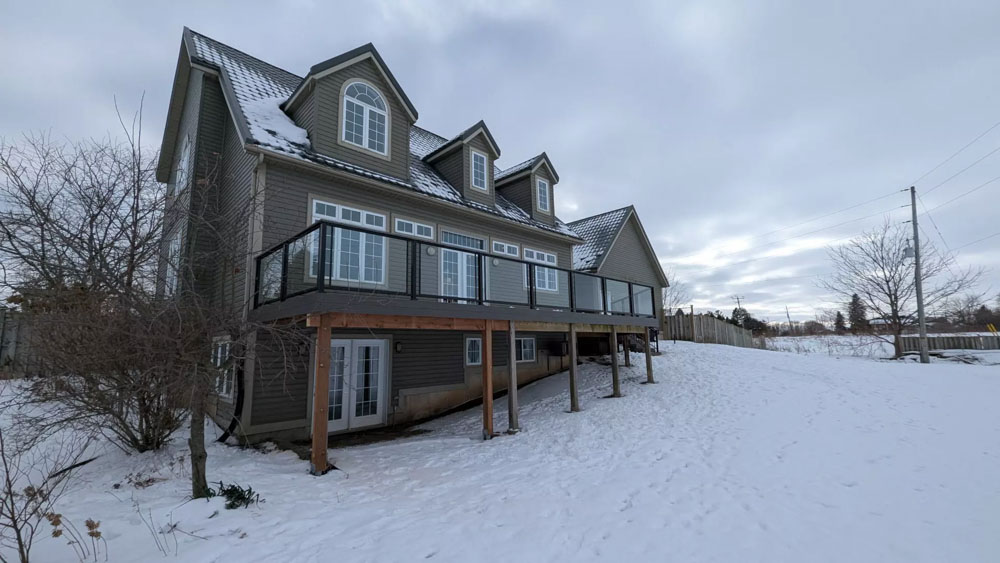
How to Prepare Your Deck for a Harsh Eastern Ontario Winter
Eastern Ontario winters are no joke—lake-effect snow, freezing rain, sudden thaws, and deep freezes – all of these can take a toll on your deck. Preparing your deck for winter doesn’t have to be overwhelming. Whether you have a traditional wood deck or are enjoying the low-maintenance benefits of a composite or PVC deck, a little fall maintenance – and some smart snow-removal habits – will keep your deck looking great all winter long.
 1. Clear Fall Debris
Before the snow falls, take some time to brush off leaves, twigs, and dirt from your deck. Fall debris traps moisture, promoting mold and mildew—especially on wooden decks. If left all winter, that soggy mess can stain or deteriorate your decking.
Even composite and PVC decking, which resist moisture better than wood, benefit from being kept clean of fall leaves. Although composite and PVC decking resist moisture better than wood, leaves left over fall and winter may still result in mild stains and discolouration. Composite boards that contain wood fibres are more susceptible to leaf stains and surface discolouration, although even decking that doesn’t contain any wood fibres can be susceptible to surface stains. Most stains can be cleaned off in spring with a little soap and water, but may linger longer if left all winter.
2. Trim Nearby Trees and Shrubs
Branches weighed down by heavy snow or ice can snap and fall, causing damage to your deck surface. Trim back overhanging limbs and ensure gutters and downspouts are clear so water doesn’t spill onto your deck and freeze.
3. Inspect for Damage Before Winter Makes It Worse
Look for loose or rotting boards, missing or lifted screws, structural concerns and signs of mold or mildew. Fixing issues before the frost sets in prevents winter moisture from worsening them. Composite and PVC decks generally have fewer problems as they are designed to resist water damage, rot, warping or insects.
4. Seal or Stain Wood Decks (Skip This if You Have a Composite or PVC Deck!)
Wood needs to be sealed or stained before winter to prevent moisture penetration.
If you have composite or PVC decking, you can skip this chore entirely. These boards don’t require staining, painting, or sealing—one of the major upsides for busy homeowners.
5. Store or Cover Outdoor Furniture and Planters
Snow and ice can damage both furniture and the deck beneath it. Store items indoors if possible or use waterproof covers. Planters left directly on the deck can trap water, causing staining or rot on wood surfaces. Use pot feet or remove them entirely.
6. Use the Right Snow Removal Tools
Use a plastic shovel or soft-bristle broom to remove snow from your deck. Never use a metal shovel as these can damage deck boards. Use a plastic shovel with non-metal edges to remove snow. For light snowfall, sweeping is often sufficient.
What About Ice Melt?
Calcium chloride or rock salt can be used on many composite decks, but it’s best to check manufacturer guidelines, as some products may affect decking finishes.
Why PVC and Composite Decking Are Ideal for Eastern Ontario Winters
Living in a region with freeze-thaw cycles, deep cold, and long-lasting snow means your deck needs to withstand a lot. Composite and PVC materials offer major benefits:
- No sanding, staining, or sealing—ever
- Superior moisture resistance
- No risk of rot or insect damage
- Less prone to warping or cracking in cold temperatures
- Longer lifespan—often 25 years or more
If you’re tired of winter maintenance or worried about long-term durability, upgrading to PVC or composite is one of the best investments you can make for your outdoor living space. Your future self—cozy inside while your deck survives the winter with minimal care—will thank you.